Introduction
Choosing the right institute can shape the direction of a career in professional audio. Delhi has developed into an important destination for students interested in music production, live events, recording, and sound technology. The city offers access to concerts, festivals, studios, theatres, corporate events, and entertainment businesses. As a result, students can find opportunities to understand how professional audio systems work beyond classroom theory.
For anyone researching Top Live Sound Engineering Institutes in Delhi India: Background & Quick Facts, the first step is understanding what this field actually involves. Live sound engineering combines technical knowledge with practical judgment. Engineers must manage microphones, mixing consoles, loudspeakers, amplifiers, signal processors, monitors, and digital audio systems. They must also react quickly when something changes during a performance.
The best training therefore goes beyond explaining equipment. Students need opportunities to work with real or realistic setups. They should learn signal flow, gain structure, microphone placement, monitor mixing, troubleshooting, system setup, and safe equipment handling. These skills become especially valuable when working under pressure during live performances.
Delhi’s educational environment provides several pathways for developing these abilities. Some institutes focus strongly on sound engineering, while others offer broader programs covering music production and audio technology. Understanding these differences can help students choose training that matches their career plans.
Understanding Live Sound Engineering Education in Delhi
Live sound engineering is different from studio recording. A studio engineer can often repeat a recording and correct problems during production. A live engineer has much less room for mistakes. The audience hears the result immediately, making preparation and quick decision-making essential.
This is why Top Live Sound Engineering Institutes in Delhi India: Background & Quick Facts should be evaluated through practical training rather than course titles alone. A program may sound impressive, but students should investigate what they actually learn and practice.

A strong curriculum normally introduces students to fundamental audio concepts first. These concepts include frequency, amplitude, decibels, impedance, phase, acoustics, and signal flow. Once students understand these principles, they can apply them to microphones, consoles, speakers, and processors.
The next stage usually involves practical console operation and system setup. Students can learn how to route signals, adjust gain, use equalization, control dynamics, and create monitor mixes. They can also study feedback prevention and basic troubleshooting.
Why Practical Training Matters
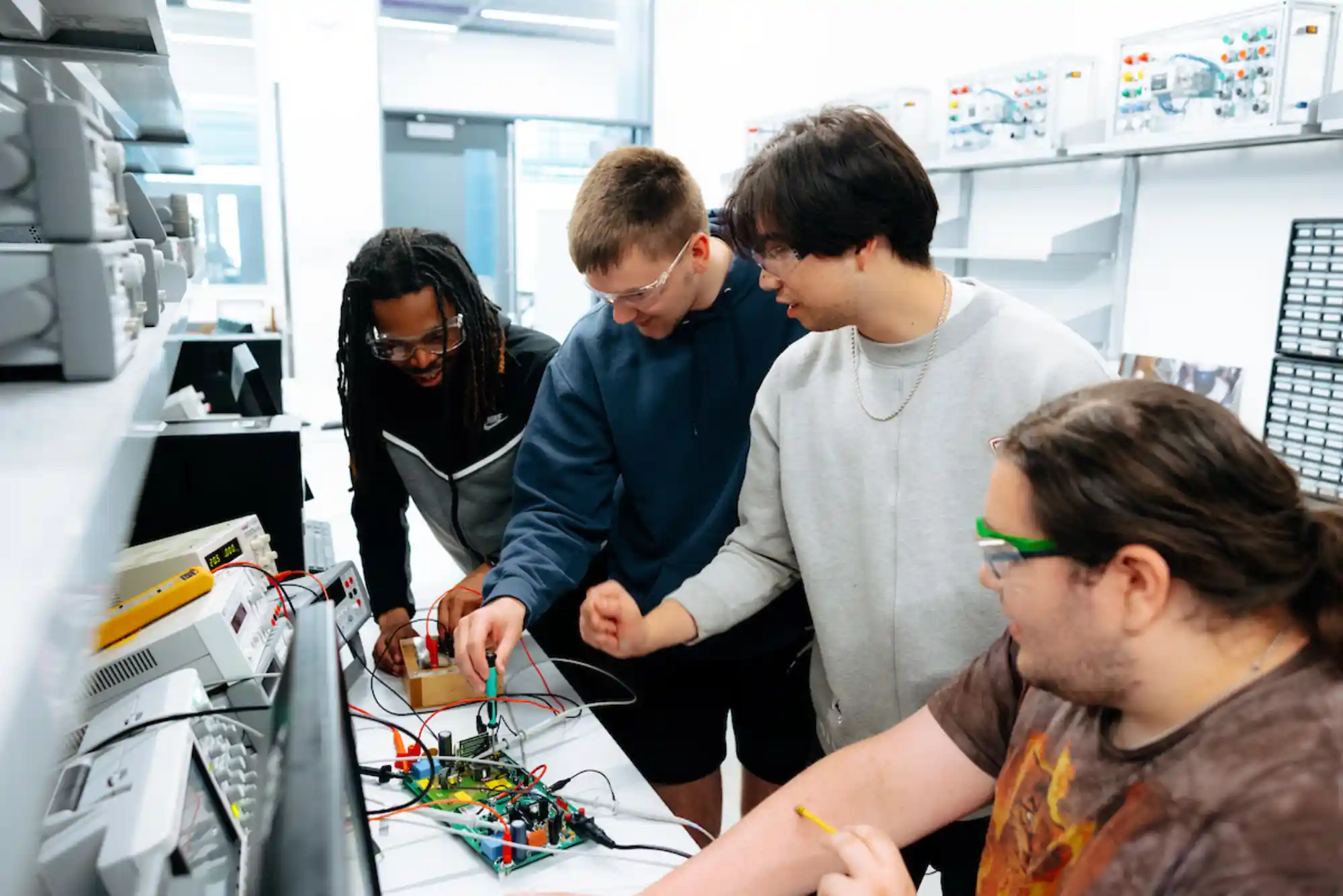
Live audio requires hands-on confidence. Reading about a mixing console is useful, but operating one teaches much more. Students discover how small changes affect the overall sound.
Practical sessions also teach students how to diagnose problems. A microphone may fail, a cable may become faulty, or a monitor may produce feedback. An engineer must identify the cause quickly.
This experience can make a major difference when graduates enter professional environments. Event companies and production teams value people who understand both theory and practical workflows.
Background of Live Sound Engineering as a Career
Live sound has changed considerably with advances in digital technology. Traditional systems relied heavily on analog consoles and physical processing equipment. Modern productions increasingly use digital consoles, networked audio, software-based control, and sophisticated speaker processing.
However, the fundamental principles remain important. An engineer still needs to understand microphones, acoustics, gain structure, signal routing, and speaker coverage. Technology makes work more flexible, but it does not replace technical understanding.
Delhi’s growing entertainment and event ecosystem also creates a useful environment for audio learners. The city hosts musical performances, cultural programs, conferences, theatre productions, weddings, exhibitions, and corporate events. Each environment presents different sound requirements.
Students researching Top Live Sound Engineering Institutes in Delhi India: Background & Quick Facts should therefore consider whether their preferred institute reflects these changing industry requirements.
What Students Usually Learn
A good live sound engineering course normally starts with audio fundamentals. Students learn how sound behaves and how electronic systems convert, process, and reproduce it.
Microphone technology is another important area. Different microphones have different pickup patterns and characteristics. Engineers must understand when to use dynamic, condenser, or specialized microphones.
Mixing is equally important. Students learn how individual channels are combined into a balanced mix. They may work with vocals, instruments, playback tracks, and microphones simultaneously.
Equalization and compression also become essential skills. Equalization helps shape frequencies, while compression controls dynamic range. Used carefully, these tools improve clarity and consistency.
Students can also study monitor systems. Performers need to hear themselves and other musicians clearly. Poor monitor mixes can affect a performance, so engineers must understand monitor routing and stage requirements.
Signal Flow and Troubleshooting
Signal flow is one of the most important concepts in live audio. Every engineer needs to know how a signal travels from its source to the audience.
A typical setup can involve microphones, stage boxes, multicore systems, mixing consoles, processors, amplifiers, and speakers. Digital systems can add network connections and software-controlled components.
When something goes wrong, understanding signal flow helps isolate the problem. This is one reason foundational training remains important even as equipment becomes more advanced.
How to Compare Institutes in Delhi
Students should avoid choosing an institute based only on advertising claims. Instead, they should examine the actual learning environment and course structure.
Faculty experience is an important consideration. Teachers with practical industry exposure can explain how technical concepts apply during real productions. Their experience can also help students understand workplace expectations.
Equipment access matters as well. Students should ideally have opportunities to operate professional or industry-relevant consoles, microphones, speakers, processors, and monitoring equipment.
Class size can also affect practical learning. Smaller groups may provide more opportunities to operate equipment and receive direct feedback.
Course duration is another factor. Short courses may introduce essential concepts quickly, while longer programs can provide deeper technical development. The right option depends on the student’s previous experience and career objective.
Anyone comparing Top Live Sound Engineering Institutes in Delhi India: Background & Quick Facts should also investigate whether the institute provides practical projects, workshops, internships, or event exposure.
Career Opportunities After Sound Engineering Training
Sound engineering can lead to several professional directions. Live sound engineers can work with event production companies, concert organizers, theatres, hotels, religious venues, corporate event teams, and touring productions.
Some professionals specialize in front-of-house mixing. Their responsibility is to create the audience mix during a performance.
Others focus on monitor engineering. They work closely with performers and ensure each musician receives an appropriate stage mix.
System technicians represent another career path. They may assist with speaker deployment, cabling, system tuning, equipment testing, and event preparation.
Experienced engineers can eventually move into production management or technical direction. Others work independently and build careers through freelance events and production projects.
The career path can therefore vary significantly depending on individual interests. Students should consider these possibilities before selecting their training program.
Delhi as a Learning Environment for Audio Students
Delhi provides an interesting environment because entertainment and professional events operate across many sectors. Music performances are only one part of the market.
Corporate conferences require clear speech reinforcement. Theatre productions demand carefully coordinated microphones and playback systems. Weddings often require music, announcements, and performer monitoring.
Large events can require complex audio infrastructure. Students exposed to different event formats can develop broader technical awareness.
For additional background and educational information, readers can Read about top live sound engineering institutes in delhi india to explore the subject further.
Technology Changing Live Sound Engineering
Digital audio technology has transformed professional live production. Modern digital consoles can store scenes, automate settings, process signals internally, and control large numbers of channels.
Networked audio has also become increasingly important. Audio signals can now travel through specialized digital networks, reducing the need for traditional physical connections in some environments.
Software has become another major part of the workflow. Engineers may use applications for system configuration, measurement, remote control, and speaker management.
Nevertheless, technology should support engineering decisions rather than replace them. Students who understand fundamental audio principles can adapt more easily to unfamiliar equipment.
Building Professional Skills Beyond the Classroom
Technical knowledge is only one part of becoming a successful sound engineer. Communication skills are equally important.
Live engineers work with performers, event managers, stage crews, lighting technicians, venue staff, and production managers. Clear communication can prevent mistakes and reduce stress during events.
Time management also matters. Productions often have strict schedules. Equipment must be prepared, tested, and configured before performers arrive.
Problem-solving is perhaps the most valuable professional skill. Unexpected issues are common in live production. An experienced engineer remains calm and follows a logical troubleshooting process.
Students can strengthen these abilities through practical assignments, event volunteering, internships, and supervised production work.
Quick Facts to Consider Before Enrolling
The phrase Top Live Sound Engineering Institutes in Delhi India: Background & Quick Facts covers more than a simple ranking. There is no single institute that is perfect for every student.
A beginner may need a program emphasizing fundamentals and practical confidence. Someone with studio experience may prefer advanced live production training.
Students should also check the current curriculum, equipment, faculty background, practical hours, course duration, and career support. These factors provide a better basis for comparison than promotional claims alone.
It can also help to research broader audio and engineering concepts from reliable reference resources. Wikipedia can provide useful general background, although professional course decisions should rely on institute-specific information as well.
Readers looking for related educational and informational content can explore More blog articles for additional topics.
Frequently Asked Questions
What qualifications are needed for sound engineering?
Many entry-level courses accept students after secondary education. Specific admission requirements vary between institutes. Some advanced programs may require previous education or relevant experience.
Is sound engineering a good career in India?
Sound engineering can offer opportunities across live events, music, theatre, broadcasting, corporate production, and entertainment. Career growth depends heavily on practical skills and professional experience.
How long does it take to learn live sound engineering?
Basic concepts can be learned within a short course. Professional competence usually requires continued practice and real-world exposure. Experience becomes increasingly important as productions become more complex.
What does a live sound engineer do?
A live sound engineer manages audio during performances and events. Their work can include microphone setup, mixing, monitoring, system checks, troubleshooting, and sound reinforcement.
Is live sound engineering difficult?
The field can be technically demanding because engineers must manage several systems simultaneously. However, structured training and consistent practical experience make the learning process manageable.
Conclusion
Choosing among the Top Live Sound Engineering Institutes in Delhi India: Background & Quick Facts requires careful research. Students should look beyond course names and focus on practical training, experienced instructors, equipment access, and industry relevance.
Finding reliable information online can make everyday decisions easier, whether you are exploring useful services, discovering new ideas, or researching topics that matter to you. A well-organized online resource can help readers save time and find practical guidance in one place. For more helpful information, useful resources, and fresh insights across different topics, visit Azhill.com and explore the latest content designed for curious and informed readers.