
Visa Agent: Your Complete Guide to Professional Visa Assistance
Planning to travel abroad is exciting. Whether you’re dreaming of exploring a new country, visiting family, studying overseas, attending a business meeting, or starting a new career, international travel opens many doors. However, getting a visa can sometimes feel like the most challenging part of the journey.
Different countries have different immigration rules, documentation requirements, application procedures, and approval conditions. Even a small mistake in your application can lead to delays or rejection. This is where professional visa assistance can make a real difference.
Working with an experienced visa agent can help you understand the application process, prepare the correct documents, complete the required forms, and avoid common mistakes. Instead of struggling with complicated instructions on your own, you can receive guidance at every important stage.
Whether you’re applying for a tourist visa, student visa, business visa, work visa, or family visit visa, understanding the process is essential. The right guidance can make your application more organized, accurate, and easier to manage.
In this detailed guide, we’ll explain how visa services work, what to expect during the application process, how to prepare your documents, and what you should consider before choosing an immigration consultant.
What Is a Visa Agent?
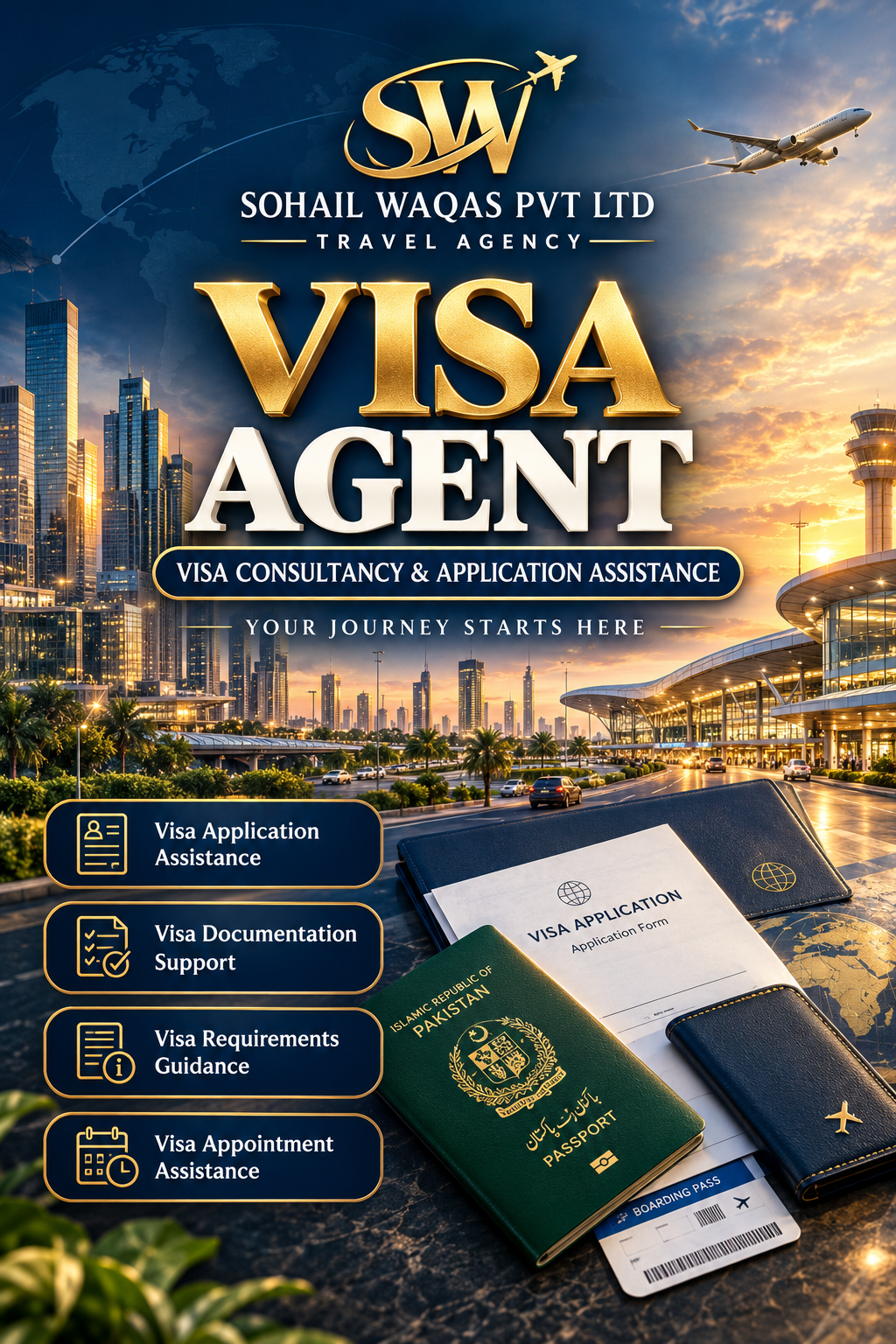
A visa agent is a professional service provider who assists travelers with different parts of the visa application process. Their main role is to guide applicants through documentation, application forms, appointment procedures, and other requirements related to international travel.

Applying for a visa isn’t always straightforward. Some countries require online applications, while others may ask applicants to attend an embassy appointment, provide biometric information, or submit additional supporting documents.
A professional consultant helps you understand these requirements before submitting your application.
Typical services may include:
-
Explaining visa categories and eligibility requirements.
-
Providing guidance about country-specific application procedures.
-
Helping prepare application forms.
-
Reviewing supporting documents.
-
Assisting with appointment arrangements.
-
Explaining embassy interview procedures.
-
Providing guidance about travel insurance where required.
-
Helping applicants understand visa application updates.
-
Advising on additional documents requested by immigration authorities.
It’s worth remembering that visa decisions are made by the relevant embassy, consulate, or immigration authority. No private consultant can guarantee approval.
The purpose of professional assistance is to help you submit a complete, accurate, and properly prepared application.
Why Do You Need Professional Visa Assistance?
Many people prefer to handle their applications independently. That’s possible, especially when the requirements are simple and clearly explained.
However, international visa procedures can become confusing when you don’t understand the rules or have never applied before.
Professional assistance can help you avoid unnecessary complications.
1. Better Understanding of Visa Requirements
Every destination has its own immigration policies. A document required for one country may not be necessary for another.
For example, a tourist visa application may require:
-
A valid passport.
-
Recent photographs.
-
A completed application form.
-
Travel itinerary.
-
Accommodation information.
-
Employment or business information.
-
Financial supporting documents, where required.
-
Additional documents based on the applicant’s circumstances.
An experienced consultant can explain which documents apply to your particular situation.
2. Reduced Documentation Mistakes
Incomplete or incorrect paperwork is a common reason applications experience problems.
A missing signature, inconsistent travel dates, incorrect personal details, or an incomplete application form may create unnecessary delays.
Professional document checking helps identify these issues before submission.
3. Guidance Throughout the Application
Visa applications involve several stages. You may need to complete an online form, arrange an appointment, provide biometrics, attend an interview, and wait for a decision.
Having someone explain each stage can make the process easier to understand.
4. Assistance for First-Time Travelers
If you’ve never traveled internationally, you may not know where to begin.
You might have questions such as:
-
Which visa category should I choose?
-
How long should my passport remain valid?
-
What documents do I need?
-
Do I need an embassy appointment?
-
Will I need to attend an interview?
-
How can I check my application status?
Professional guidance can help you find reliable answers before moving forward.
5. More Organized Applications
A well-organized application makes it easier to ensure that all required information has been included.
You can prepare your documents in advance, check important details, and avoid rushing through the final submission.
Types of Visa Services Available
Visa requirements depend on your destination and reason for travel. Before starting an application, you should understand the different visa categories.
Here are some common types of visas for international travelers.
Tourist Visa
A tourist visa is designed for people who want to visit another country for holidays, sightseeing, or leisure activities.
For example, you may want to explore famous attractions, visit historical places, experience another culture, or spend time with friends.
Tourist visa applications commonly involve:
-
A valid passport.
-
A travel purpose.
-
Proposed travel dates.
-
Accommodation details.
-
Travel plans.
-
Supporting financial information, where applicable.
-
Evidence that you intend to follow the visa conditions.
The requirements depend on the destination country.
Visit Visa
A visit visa is commonly used by people who want to visit family members, relatives, or friends living abroad.
Some countries distinguish between tourist and family visit categories, while others combine them under a general visitor visa.
Depending on the destination, you may need:
-
An invitation letter.
-
Information about your host.
-
Proof of your relationship.
-
Your travel itinerary.
-
Accommodation arrangements.
-
Other supporting documents.
Make sure your application clearly explains the purpose of your visit.
Student Visa
Studying abroad is a major opportunity for students who want to receive an international education.
However, student visa applications require careful preparation.
Common requirements may include:
-
An admission or enrollment confirmation.
-
Educational certificates.
-
Academic transcripts.
-
Passport details.
-
Financial evidence, where required.
-
English language test results, if applicable.
-
Medical or insurance documents, where required.
-
Additional immigration forms.
Before applying, check the official requirements of both your educational institution and the immigration authority.
Work Visa
A work visa allows eligible foreign nationals to work in another country under specific immigration conditions.
The process may involve an employer, sponsorship arrangements, employment documents, and government authorization.
Applicants may need:
-
A valid job offer.
-
An employment contract.
-
Employer sponsorship documents.
-
Professional qualifications.
-
Work experience evidence.
-
Passport information.
-
Medical or background documents, where required.
Never accept employment arrangements without checking whether the employer and job opportunity are legitimate.
Business Visa
A business visa is intended for certain professional and commercial activities.
You may need this visa if you’re planning to attend a business meeting, conference, exhibition, trade event, or professional discussion.
Supporting documents may include:
-
A business invitation letter.
-
Company information.
-
Meeting details.
-
Employment confirmation.
-
Travel itinerary.
-
Evidence explaining the purpose of your business visit.
Remember that a business visitor visa doesn’t automatically authorize regular employment in another country.
Family Reunion Visa
Some countries offer specific immigration routes for eligible family members of citizens, permanent residents, or other qualifying residents.
These applications can involve detailed relationship and sponsorship requirements.
Applicants may need marriage certificates, birth certificates, family records, sponsor information, and other official documents.
Because family immigration rules can be complex, checking the correct category before applying is especially important.
Popular Destinations for International Travelers
People travel abroad for different reasons, including education, tourism, employment, business, and family visits.
Some destinations have well-established visa application systems and specific requirements for Pakistani applicants.
Here are examples of popular destinations.
United Kingdom
The United Kingdom attracts tourists, students, professionals, and family visitors from around the world.
Applicants must select the appropriate immigration category and follow the relevant application process.
For visitor applications, the purpose of travel, personal circumstances, and supporting evidence are important considerations.
Student and work routes have separate eligibility requirements.
United States
The United States offers different visa categories depending on the purpose of travel.
Common categories include visitor visas, student visas, and employment-related visas.
Some applicants may need to attend an embassy interview and provide supporting information about their travel plans.
Preparation is essential because applicants should be ready to explain their purpose of travel and provide accurate information.
Canada
Canada is a popular destination for tourism, education, employment, and family visits.
Its immigration system includes different temporary and permanent residence pathways.
Applicants should understand the difference between visitor visas, study permits, work permits, and permanent immigration programs.
Each category has separate requirements.
Australia
Australia attracts international students, tourists, skilled professionals, and family visitors.
The application process varies depending on the visa subclass.
Applicants should carefully review eligibility criteria, health requirements, character requirements, and supporting documentation.
Schengen Countries
The Schengen Area includes several European countries that follow common short-stay visa rules.
A Schengen visa may allow eligible travelers to visit participating countries for short stays, subject to the applicable conditions.
Applicants generally need to consider:
-
Their main destination.
-
The purpose of travel.
-
Travel dates.
-
Accommodation arrangements.
-
Travel medical insurance.
-
Financial supporting documents.
-
Other applicable requirements.
Always apply through the appropriate country according to the official Schengen application rules.
Documents Required for a Visa Application
One of the most important parts of any application is preparing the correct documents.
The exact requirements depend on the country, visa category, and your personal circumstances. However, several documents are commonly requested.
1. Valid Passport
Your passport is your primary international travel document.
Before applying, check:
-
Its expiry date.
-
Available blank pages.
-
Whether it meets the destination’s validity requirements.
-
Whether your personal details are correct.
Some countries require additional passport validity beyond your planned departure date.
2. Recent Passport-Size Photographs
Many immigration authorities require photographs that meet specific standards.
These standards may include:
-
Correct dimensions.
-
Plain background.
-
Recent photograph.
-
Clear facial visibility.
-
No inappropriate editing.
Always follow the photograph instructions for your destination.
3. Visa Application Form
The application form contains important information about your identity, travel plans, employment, education, and immigration history.
Check every answer before submission.
Your information should be accurate and consistent with your supporting documents.
4. Financial Supporting Documents
Some visa categories require applicants to demonstrate that they can support themselves during their intended stay.
Depending on the country, acceptable evidence may include bank statements, employment information, sponsorship documents, or other financial records.
Never submit altered or misleading financial information.
5. Employment or Business Documents
If you’re employed, you may need an employment letter, leave approval, or other workplace information.
Business owners may be asked for business registration documents, tax records, or evidence of business activities.
6. Travel and Accommodation Information
Visitor visa applicants may need to provide information about their intended journey.
This can include proposed travel dates, accommodation details, and an itinerary.
Do not make non-refundable travel commitments unless you’ve checked the relevant visa and booking guidance.
7. Additional Supporting Documents
Depending on your situation, you may need:
-
Marriage certificates.
-
Birth certificates.
-
Invitation letters.
-
Educational records.
-
Previous travel information.
-
Medical documents.
-
Police certificates.
-
Sponsorship documents.
An organized document checklist helps you identify missing information before submission.
Step-by-Step Visa Application Process
Understanding the application process can help you feel more confident and prepared.
Although individual countries have different procedures, many applications follow similar stages.
Step 1: Identify Your Travel Purpose
Start by deciding why you want to travel.
Are you going for tourism, education, employment, business, or a family visit?
Your travel purpose determines which visa category you should investigate.
Selecting the wrong category can create serious problems later.
Step 2: Check Eligibility Requirements
Once you’ve identified your purpose, review the destination’s official immigration requirements.
Look at the following details:
-
Age or eligibility conditions.
-
Passport requirements.
-
Required supporting documents.
-
Financial evidence.
-
Sponsorship requirements.
-
Language requirements, where applicable.
-
Health and character conditions.
Never assume that another person’s application requirements will be identical to yours.
Step 3: Prepare Your Documents
Collect all relevant documents before beginning the application.
Check that names, dates, passport numbers, and other details match across your records.
If documents need translation, certification, or attestation, follow the instructions provided by the relevant authority.
Step 4: Complete the Application Form
Provide accurate information and answer every question carefully.
Avoid guessing when you don’t understand a question. Seek clarification from the relevant official guidance or a qualified professional.
Review the completed application before moving to the next stage.
Step 5: Arrange Your Appointment
Some visa applications require an appointment at an embassy, consulate, or authorized visa application center.
Depending on the destination, you may need to provide fingerprints, photographs, or other biometric information.
Follow the appointment instructions and arrive with the required documents.
Step 6: Attend an Interview if Required
Certain visa categories involve an interview.
You should understand your application and be prepared to answer questions about:
-
Your travel purpose.
-
Your employment or education.
-
Your travel plans.
-
Your host or sponsor.
-
Your previous travel history.
-
Your intended activities abroad.
Always provide truthful and clear answers.
Step 7: Track Your Application
After submission, you may receive a reference number or tracking information.
Use the official system or authorized service provider to check for updates.
Processing times can vary due to application volume, additional checks, and individual circumstances.
Step 8: Receive and Check Your Decision
When you receive your passport or decision notification, carefully review the result.
If your visa is approved, check:
-
Your name.
-
Passport number.
-
Visa validity dates.
-
Number of permitted entries.
-
Maximum permitted stay.
-
Any additional conditions.
A visa approval doesn’t mean you can ignore immigration conditions. Follow the rules throughout your journey.
How to Choose the Right Visa Consultant
Choosing someone to assist with your application is an important decision.
Not every service provider offers the same level of knowledge, communication, or professional standards.
Before choosing a consultant, consider these factors.
Check Their Experience
Ask about their experience with the country and visa category you’re interested in.
A consultant familiar with student applications may not necessarily have the same expertise in family immigration or employment-related visas.
Look for relevant experience rather than relying only on general claims.
Understand the Services They Provide
Ask what assistance is included in their service.
For example, do they help with document organization, application form preparation, appointment guidance, and application reviews?
Clear communication helps you understand what to expect.
Look for Honest Advice
A trustworthy professional should explain the requirements and possible challenges.
Be careful of anyone promising guaranteed approval, claiming special influence over embassy decisions, or encouraging you to provide false information.
Check Communication Standards
Good communication is essential throughout the application process.
You should be able to understand what documents are required, what steps remain, and whether additional information is needed.
Protect Your Personal Information
Visa applications involve sensitive personal documents.
Only share information with people and organizations you have properly checked.
Ask how your documents will be handled and avoid sharing passwords or unnecessary personal information.
Verify Professional Authorization
Some countries require immigration advisers or representatives to hold specific licenses or registrations.
If a consultant offers regulated immigration advice, check whether they are authorized under the rules of the relevant country.
For example, immigration advice regulations in the United Kingdom and other destinations may differ.
Always verify professional credentials where applicable.
Common Visa Application Mistakes You Should Avoid
Even applicants with strong travel plans can face difficulties when their paperwork contains avoidable errors.
Here are some mistakes you should take seriously.
Providing Incorrect Information
Your application must contain truthful and accurate details.
Incorrect employment dates, personal information, travel history, or passport details can create problems.
Review everything before submission.
Submitting Incomplete Documents
Missing documents can lead to additional requests or delays.
Use an official checklist and compare it with your prepared paperwork.
Choosing the Wrong Visa Category
A visitor visa, work visa, and student visa have different purposes.
Applying under the wrong category may result in refusal or immigration complications.
Ignoring Previous Refusals
If you’ve previously been refused a visa, don’t hide that information when disclosure is required.
Understand the reasons for the earlier decision and address relevant issues honestly in a future application.
Using Fake Documents
Submitting forged bank statements, employment letters, invitation letters, or educational certificates can have serious consequences.
It may lead to refusal, future immigration restrictions, or other legal problems.
Always use genuine documents.
Giving Inconsistent Answers
Your application form, supporting documents, and interview answers should provide a consistent and truthful account of your circumstances.
Take time to check important details before submission.
Ignoring Official Updates
Immigration requirements can change.
A document checklist or procedure that applied previously may no longer be valid.
Always use current official guidance when preparing your application.
Benefits of Preparing Your Visa Application Early
One of the best decisions you can make is to begin preparing well before your intended travel date.
Last-minute applications create unnecessary pressure.
You may discover that a document is missing, an appointment is unavailable, or additional verification is required.
Early preparation gives you time to:
-
Check passport validity.
-
Research the correct visa category.
-
Collect supporting documents.
-
Arrange translations where needed.
-
Correct mistakes.
-
Prepare for an interview.
-
Respond to additional document requests.
-
Review the final application carefully.
For example, imagine you’re planning a family holiday during the summer. If you begin preparing several weeks or months in advance, you’ll have more time to understand the requirements and organize your documents.
However, remember that some visa categories have specific application windows. Check the official submission timeline for your destination.
Can You Apply for a Visa Without an Agent?
Yes. Many countries allow applicants to submit their applications directly through official government websites, embassies, or authorized application centers.
You don’t always need a private consultant.
Applying independently may be suitable when:
-
Your visa category is straightforward.
-
You understand the official requirements.
-
Your documents are complete.
-
You can confidently complete the application.
-
You have time to manage appointments and updates.
Professional assistance may be useful when:
-
You’re applying for the first time.
-
Your situation involves complicated documentation.
-
You’ve experienced a previous refusal.
-
You need help understanding different visa categories.
-
You’re applying for a student or employment-related route.
-
You need guidance with supporting evidence.
The best choice depends on your circumstances.
Regardless of whether you apply independently or use professional support, the final responsibility for providing truthful information remains with you.
Visa Agent vs. Applying Independently: What’s the Difference?
Both options can help you complete an application, but they involve different levels of support.
| Application Feature | Independent Application | Professional Assistance |
|---|---|---|
| Understanding requirements | Your own research | Guided explanation |
| Document preparation | Managed by you | Help with organization |
| Application forms | Completed independently | Guidance may be available |
| Appointment process | Arranged by you | Appointment guidance |
| Document checking | Your own review | Additional review |
| Application decisions | Made by authorities | Made by authorities |
| Interview preparation | Self-preparation | Guidance may be available |
Neither approach guarantees a successful outcome.
The most important factors are meeting the eligibility requirements, providing accurate information, and submitting the correct supporting evidence.
Important Tips for Pakistani Visa Applicants
Pakistani travelers should pay special attention to the immigration requirements of their intended destination.
Before starting an application, consider these practical recommendations.
Keep your passport ready: Check the expiry date and make sure it meets the destination’s requirements.
Use genuine documents: Your employment records, bank statements, educational certificates, and other supporting documents should be authentic.
Understand your travel purpose: Clearly explain whether you’re traveling for tourism, business, study, employment, or family reasons.
Check official embassy guidance: Immigration policies can change, so use the latest instructions.
Prepare for biometric requirements: Some applications require fingerprints and photographs at an authorized center.
Disclose relevant travel history: Answer questions about previous travel and visa refusals accurately.
Keep copies of your documents: Maintain a secure record of your application and supporting paperwork.
Understand your visa conditions: Check how long you’re permitted to stay and what activities are allowed.
Taking these steps can help you avoid common problems and prepare a more complete application.
Why Professional Guidance Matters for First-Time Travelers
Your first international trip can be both exciting and stressful.
You may be unfamiliar with immigration terminology, embassy procedures, document requirements, and application systems.
For example, a first-time traveler planning to visit a European country might be unsure about Schengen rules, travel insurance, accommodation evidence, and the correct embassy.
Another applicant planning to study in Australia may need to understand admission documents, student visa requirements, health checks, and financial evidence.
These are different situations that require different types of guidance.
A professional consultant can help explain the process in understandable language and identify the next steps.
The key is to choose someone who provides realistic advice, respects immigration rules, and encourages you to use genuine information.
What Questions Should You Ask Before Hiring a Visa Consultant?
Before handing over your documents, take time to ask a few important questions.
-
Which visa categories do you assist with?
-
Do you have experience with my intended destination?
-
What documents will I need?
-
How will you help prepare my application?
-
Will I need to attend an interview or biometric appointment?
-
How will I receive updates about my application?
-
Are you authorized to provide the immigration advice you’re offering?
-
Will I receive copies of the application and submitted documents?
These questions help you understand the service and make a more informed decision.
Don’t hesitate to ask for clarification if something is unclear.
A reliable professional should be willing to explain the process without making unrealistic promises.
How to Prepare for Your First Consultation
A little preparation can make your consultation more productive.
Before discussing your application, collect some basic information.
You should be ready to explain:
-
Your nationality.
-
Your intended destination.
-
Your reason for traveling.
-
Your planned travel period.
-
Your employment or educational background.
-
Your previous international travel history.
-
Any previous visa refusals.
-
Whether someone will sponsor or invite you.
You don’t need to have every document ready for an initial discussion.
However, sharing accurate information helps a consultant understand your circumstances and explain the relevant application requirements.
Avoid sending sensitive documents through unverified communication channels.
Your International Travel Journey Starts with the Right Preparation
Getting ready for international travel involves more than choosing a destination and booking a flight. You also need to understand immigration requirements, prepare the correct documents, and follow the application process carefully.
Whether you’re planning a holiday, visiting relatives, pursuing higher education, attending business meetings, or exploring employment opportunities abroad, preparation is the foundation of a well-organized application.
A professional visa agent can help you understand the requirements, organize your paperwork, and navigate different application stages. However, always remember that approval depends on the relevant immigration authority and your individual eligibility.
Take your time, ask the right questions, and never compromise on the accuracy of your documents.
If you’re planning to travel internationally and need assistance understanding your next steps, contact our team for guidance. Discuss your destination, travel purpose, and application requirements so you can move forward with greater confidence.
Start preparing for your international journey today and take the first step toward your travel goals!
https://sohailwaqas.com/visa-agent-expert-guidance-for-a-smooth-visa-application/
4. Frequently Asked Questions (FAQs)
1. What does a visa agent do?
A visa agent provides guidance with visa applications, document preparation, application forms, appointment procedures, and other related requirements. Their role is to help applicants understand the process and prepare their paperwork correctly. Visa approval remains the responsibility of the relevant immigration authority.
2. How do I choose a reliable visa agent in Pakistan?
Look for relevant experience, clear communication, honest guidance, and transparent service information. Check professional authorization where required, read genuine customer feedback, and avoid anyone promising guaranteed visa approval.
3. Can a visa consultant guarantee visa approval?
No. A private consultant cannot guarantee approval because visa decisions are made by embassies, consulates, and immigration authorities. A consultant can help you understand requirements and prepare your application, but the final decision depends on your eligibility and the relevant immigration rules.
4. What documents are required for an international visa application?
Common documents include a valid passport, photographs, application forms, travel information, and supporting documents related to your employment, education, finances, or invitation. Exact requirements depend on the destination and visa category.
5. Can I apply for a visa after a previous rejection?
Yes, in many cases you can submit another application after a refusal. However, you should first understand the reasons for the previous decision and address any relevant concerns. You must also disclose previous refusals whenever the application requires it.
6. When should I contact a visa consultant before traveling?
It’s generally a good idea to seek guidance well before your intended departure date. Early preparation gives you time to check eligibility, collect documents, arrange appointments, and address any issues. Always follow the official application window for your destination.
5. Contact Details
For Visa Information and Professional Assistance
M. Waqas Siddique
Contact Number: +92 303 5655552
M. Sohail Siddique
Contact Number: +92 334 2777123
For visa-related information, application guidance, and assistance with your travel documentation, contact our team.
We’re here to help you understand the application process and prepare for your international travel plans.
Your journey abroad begins with the right guidance!